 Prominent Chess Hub
Geneva countdown: what to watch when Gukesh faces Sindarov
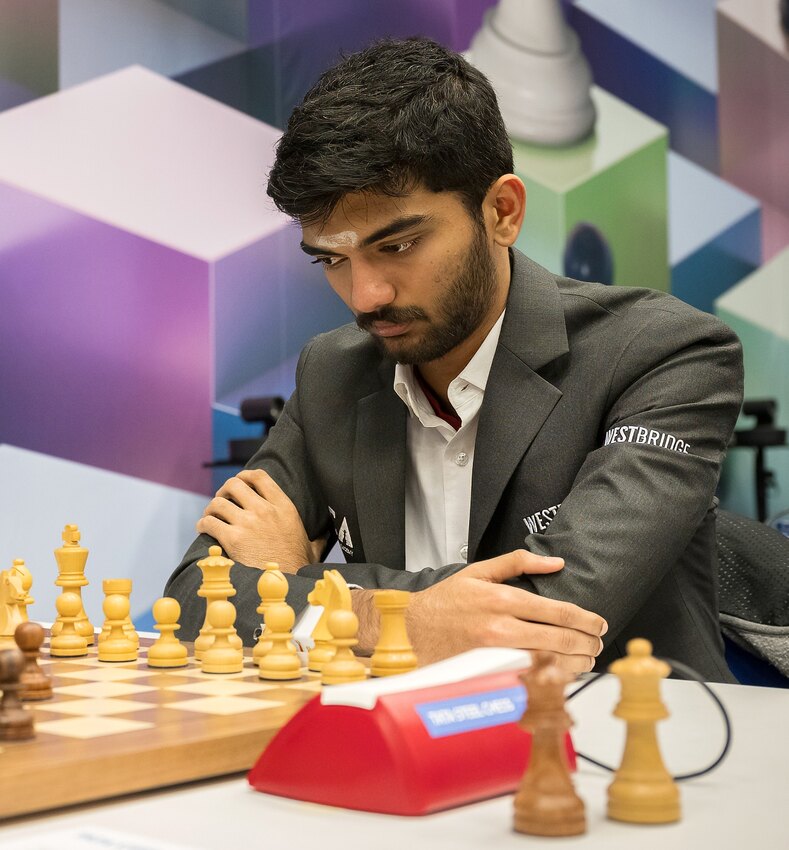
Two years ago in Singapore, Gukesh Dommaraju went into the last classical game tied with Ding Liren. He left as the youngest undisputed world champion at 18. On November 24 in Geneva, he begins his first defense against Javokhir Sindarov, who went unbeaten in the Candidates. Both players will be 20 when they sit down for Game 1.
What Singapore tells us about Gukesh
The score was 6½–6½ before Game 14 in Singapore. Gukesh had Black, and the game had reached a rook-and-bishop ending that looked headed for a draw. On move 55, Ding offered a rook trade on f2. Gukesh saw that he could trade the rooks and then the bishops, leaving a pawn ending Ding could no longer hold. Three moves later, Ding resigned.
That finish gives viewers something concrete to watch for in Geneva. When pieces come off the board, look at the position the trade leaves behind. Who has the more active king? Who can create a passed pawn? An apparently quiet trade can settle the game.
How Sindarov earned his seat
Sindarov won the 2025 FIDE World Cup and then took first at the 2026 Candidates in Cyprus with 10 points from 14 games. He won five of his first six games and secured the tournament with a round to spare by drawing Anish Giri. He went unbeaten and became Uzbekistan’s first challenger for the classical title.
Geneva gives him a different problem. In the Candidates he faced seven opponents. Here, every opening choice gives the same opponent information to work with for the next game. Watch whether Sindarov returns to an opening after Gukesh has had time to look for an improvement, and whether Gukesh changes his approach when the position comes up again.
Follow the first long think
When one player slows down, go back a move and ask what changed. Did a pawn advance leave a weak square? Did a trade open a file for a rook? Pick two moves you’d consider and give each a reason. When you come back after the game, see which plan the player chose and whether it still made sense ten moves later.
Also watch how the score shapes the choices. A draw early in the match leaves plenty of room to adjust. Late in the match, a player who trails may keep queens on the board or steer toward an uneven pawn structure to give both sides more decisions to make.
When to watch from Puyallup
Game 1 starts Tuesday, November 24, at 6 a.m. Pacific (3 p.m. in Geneva). Games 2 and 3 start at the same time on November 25 and 26, with a rest day on November 27. The match is scheduled for up to 14 classical games. The first player to reach 7½ points wins. A 7–7 finish sends the match to faster tiebreaks.