 Prominent Chess Hub
Chess for a lifetime: Cramling and Gaprindashvili join the World Seniors in Serbia
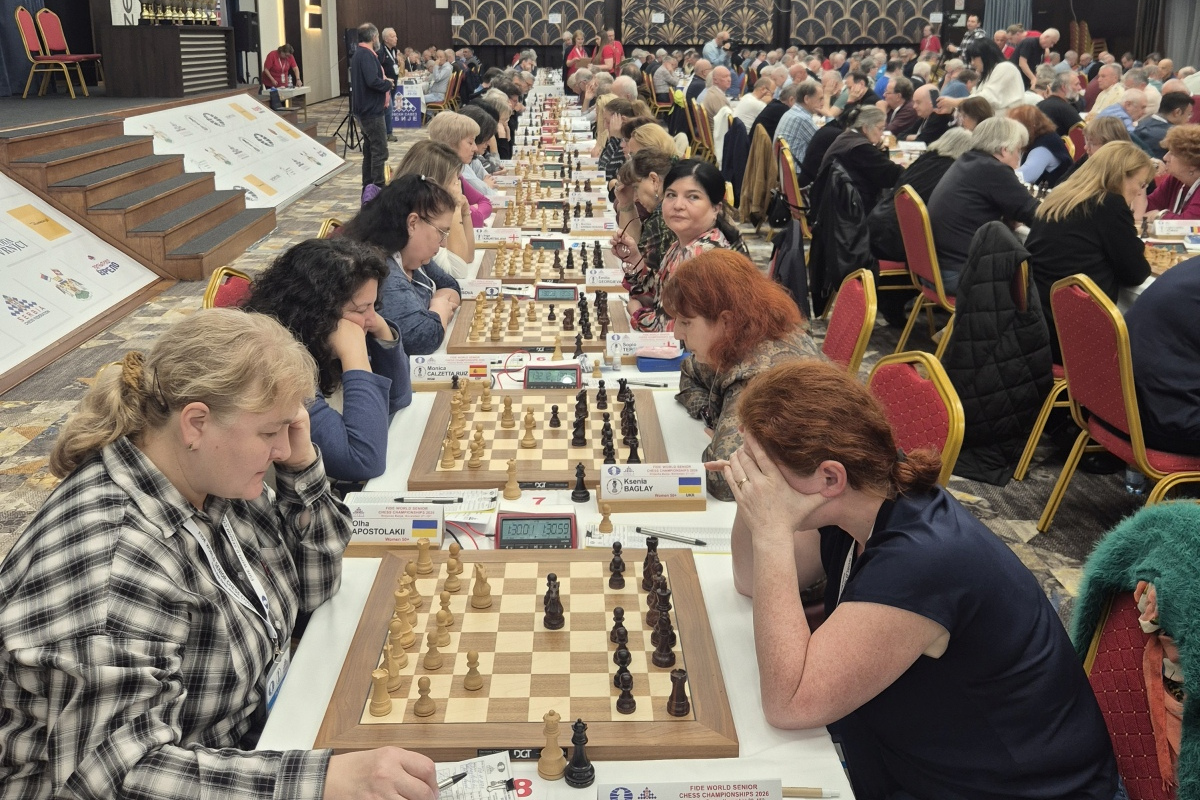
The World Senior Championships in Vrnjačka Banja, Serbia, drew 385 players from 65 federations, according to ChessBase. Pia Cramling and former women’s world champion Nona Gaprindashvili are among the players in the field. The tournament runs November 3–14.
There are four titles at stake. The 50-and-over and 65-and-over divisions each have open and women’s sections, and each section plays an 11-round Swiss.
A long game gives you time to change your mind
The reported time control gives each player 90 minutes for 40 moves, then 30 more minutes, with 30 seconds added after each move from the start. By the time a game gets to move 40, both players may have had to change their plans several times.
Try following one game from the opening into the ending. Note the first pawn trade that changes the shape of the board. Then see whether the same file or weak square is still relevant 20 moves later. Long games make those connections easier to spot than a highlight clip does.
What an age-group field makes possible
Playing within an age division gives people a championship to aim for long after junior events are behind them. In a Swiss, the pairings bring players with similar scores together as the rounds progress. A player who drops an early game still has rounds to recover and opponents with something to play for.
ChessBase’s November 6 coverage follows the tournament in progress. The final standings after November 14 will tell a different part of the story. Until then, pick a section, follow a player across two rounds, and see how they handle a different kind of position the next day.
Reading the Swiss table
In a big Swiss, look beyond the leader if you’re picking a game to follow. A player on the edge of the top group may be paired against someone on a similar score with a very different style. Keep the section and round number in your notes. With four standings tables in play, it’s easy to compare results that came from different fields. For a club player who usually plays blitz, the time-control details are worth keeping beside the replay. See where you’d have moved on instinct and where a longer think changed the course of the game.